The Western Gate to the Sunshine State
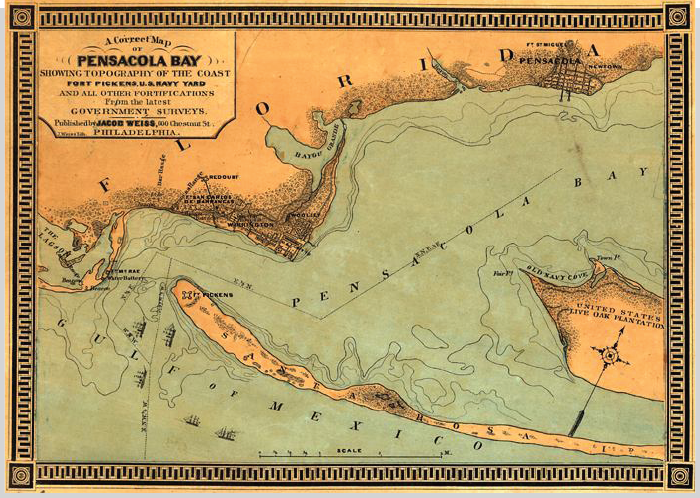
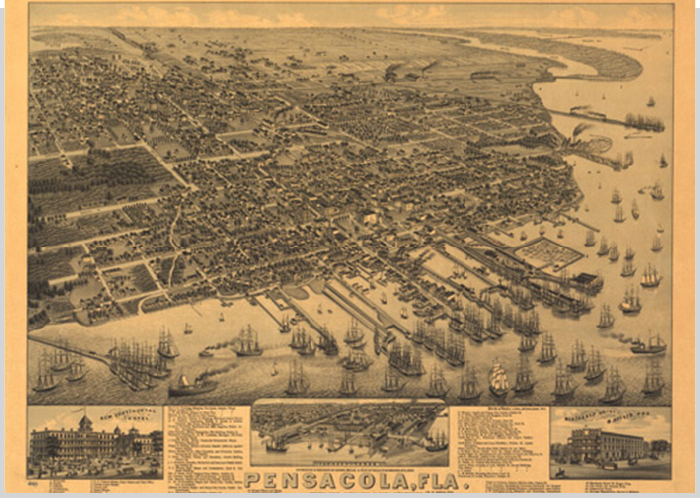
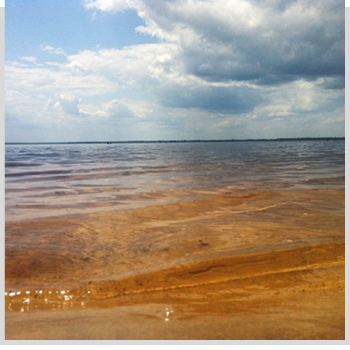
Depending on your direction, Pensacola is the first or last city along the northern panhandle of the state of Florida. The only thing stretching further than its snow-white sandy coastline is its rich history.
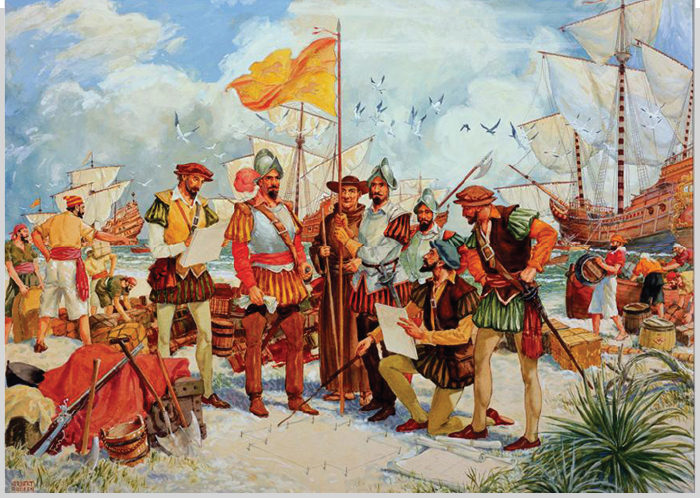
Technically speaking, the city is the oldest European settlement in the continental United States. In 1559, six years before the establishment of St. Augustine - the oldest continuously occupied European settlement - the Spanish explorer Tristan De Luna landed on the shores of Pensacola Bay with 11 ships and some 1,500 voyagers. But their efforts to establish an outpost in the area were thwarted in September of the same year as a destructive hurricane tore through the region. It would be a good while before settlers would return to the area, but finally in 1698 the Spanish did and established a fortified township that would grow into the city we know today
The name, Pensacola, is not of Spanish origin. The city is actually named for the indigenous peoples that lived there when the Spanish first arrived - a Muskogee-speaking Native American tribe. The area was a hub for trade and frequently visited by other Muskogee-speaking tribes, such as the Creek from neighboring Alabama. Since the Spanish’s colonization of the region over 450 years ago, the city has changed hands multiple times, being held by several different nations over its history. Five in fact; Spain, France, Great Britain, the Confederate States of America, and the United States of America - giving it the nickname, “The City of Five Flags”.
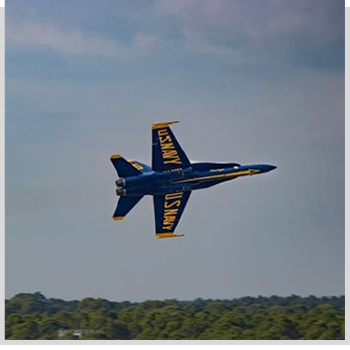
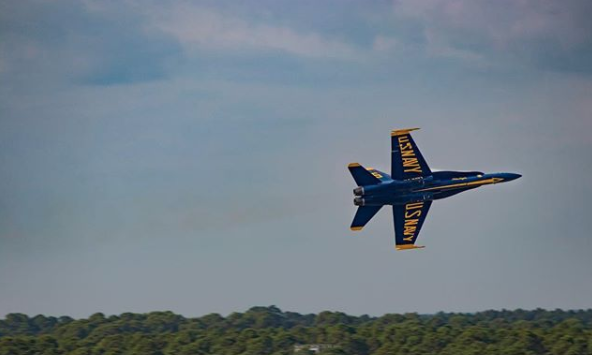
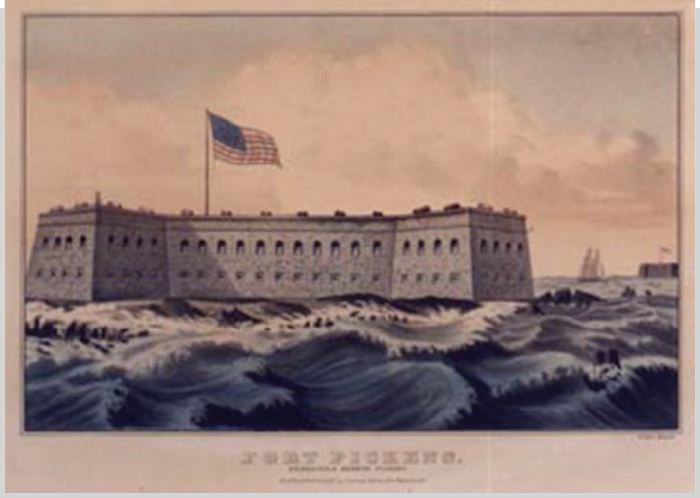
Pensacola has always been a military town. Fort Pickens and Fort Barrancas are two historic forts that have withstood the trials of many battles. The Pensacola Naval Air Station(NAS) was the first naval air station to be commissioned by the United States government in 1914. It has been the training grounds for many distinguished aviators over the years, and is currently home to the official demonstration squadron, the Blue Angels.
But while the military presence drives a good portion of the Pensacola economy, tourism is it’s real drive. With miles and miles of coastline with what may be the whitest, softest sand in the world, the beaches will spoil you on anything less. The seashore isn’t its only attraction though. With some of the finest, freshest seafood around, the annual Pensacola Seafood and Pensacola Crawfish Festivals held in historic downtown are a heavy draw. Over 200 regional as well as international artists gather annually also, for the Great Gulfcoast Arts Festival.
Pensacola is a rich and diverse big little town. The people you’ll find there are as warm as the weather, and friendly to boot. So come for a visit to this place where the beauty of nature abounds, where history and intrigue lies just down the block, and enjoy all that this wonderful city has to offer.
Things to Do
There’s loads to do in and around the city of Pensacola. From beautiful natural areas to a vivid historic downtown, there’s something for friends, families, and individual explorers alike.
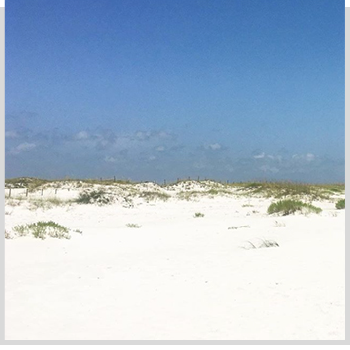
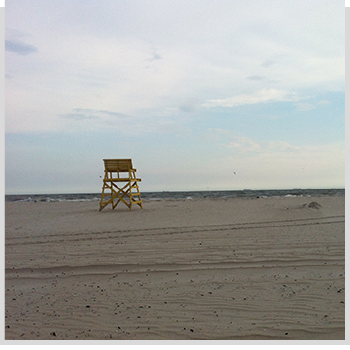
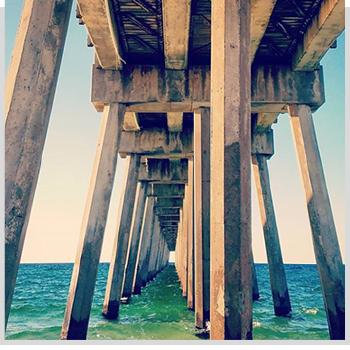
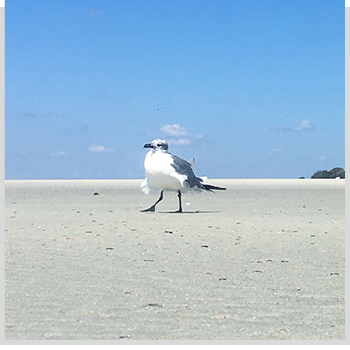
Visit beautiful snow-white sandy beaches. Beaches along Pensacola Beach are popular for the average passer through and offer great beach shopping along the boardwalk. The Perdido Key area outside downtown offers several pristine locations along the Gulf Islands National Seashore, a part of the US National Parks Service.
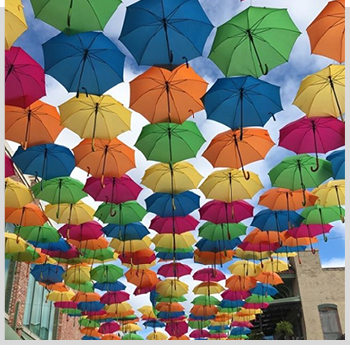
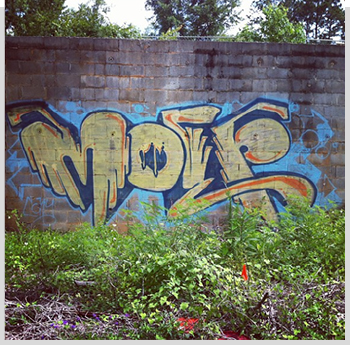
The downtown area of Pensacola is home to many historic landmarks with over 450 years of history. During the day visitors can explore the many shops, and enjoy the rich history, architecture, and even sometimes art installations like the one above. And the nightlife is as intriguing if not better. Be sure to try out Seville Quarter, a larger-than-life bar with seven different themed rooms.
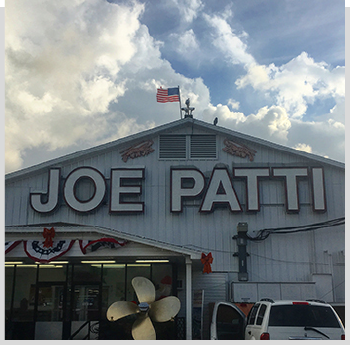
Joe Patti’s Seafood is a world famous seafood market and distributer. Be sure to stop in here for some of the freshest and widest selection of fish you’ll find on the Gulf Coast. A true staple of Pensacola.
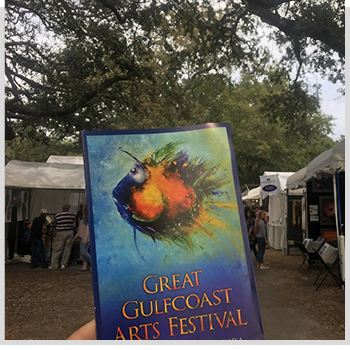
The Great Gulf Coast Art Festival is a three-day juried arts festival held annually in the historic Seville Square in the downtown area. It boats work from over 200 artists and craftsmen of a wide variety of disciplines from the regional area as well as other nations.
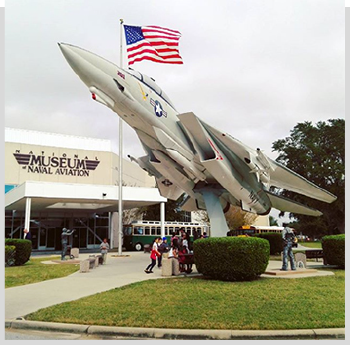
The Pensacola Naval Air Station is home to some of the best pilots in the world. The Blue Angels, the US Navy’s flight demonstration squadron, piloting F18 Hornets in death defying wing-tip to wing-tip formations. Pensacola is known as the birthplace of naval aviation, and as such, boasts a rich Naval Aviation Museum at the Naval Air Station main campus.
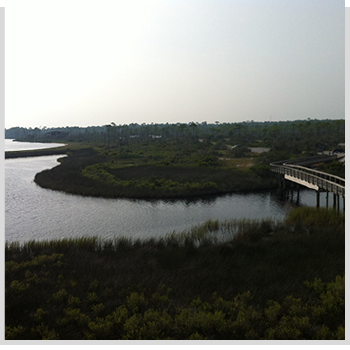
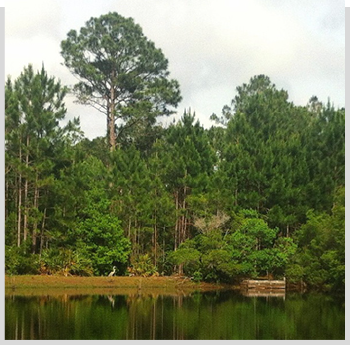
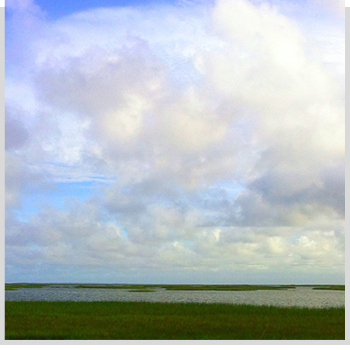
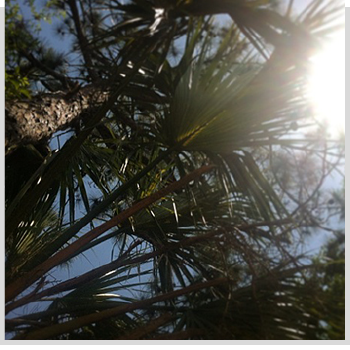
Pensacola Bay is home to many state and national park areas. Big Lagoon State park in the Perdido Key area is a particularly nice window into the natural Florida Gulf Coast landscape and ecosystem. With many interweaving nature trails the park offers rich views of the brackish marshes and coastline and is home to many different species of both animal and plant life. Here you can find the carnivorous pitcher plant.
Gallery